
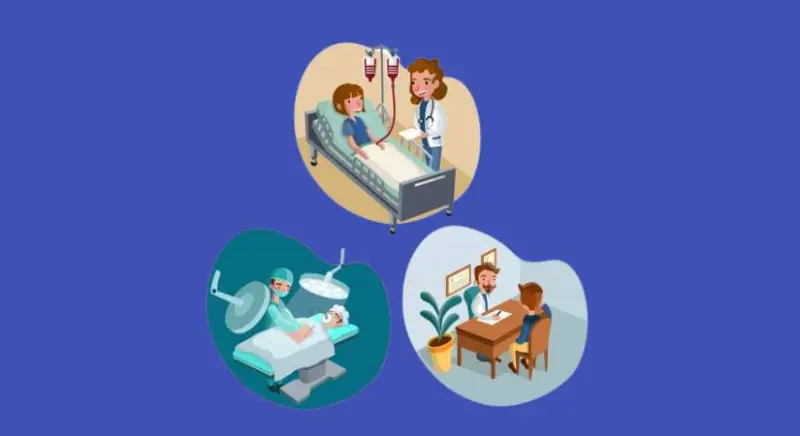
Pediatric intensive care nursing (PICN) is a highly specialised area of nursing practice that focuses on caring for critically ill infants and children. Selecting a dissertation topic in this field can be challenging due to ethical sensitivities, complex clinical environments, and the need for evidence-based nursing practice.
This page provides carefully curated pediatric intensive care nursing dissertation topics for 2026. Unlike generic topic lists, this guide is designed to help nursing students identify clinically relevant, researchable, and academically strong topics aligned with current pediatric critical care priorities, professional standards, and nursing research literature.
These topic areas reflect key priorities identified in international pediatric critical care and nursing guidance, including patient safety, family-centred care, ethical decision-making, and workforce development.
How to Choose a Pediatric Intensive Care Nursing Dissertation Topic
Choosing an effective pediatric intensive care nursing dissertation topic requires balancing clinical relevance with research feasibility.
- Focus on nursing practice rather than purely medical or disease-focused issues.
- Select a clearly defined clinical, ethical, or educational problem relevant to PICU settings.
- Ensure the topic can be supported through existing literature, audits, guidelines, or professional interviews.
- Avoid topics that are too broad or require complex experimental designs.
- Consider ethical approval requirements, especially when involving children or families.
High-quality dissertations often explore patient safety, family support, ethical challenges, or nursing competence rather than clinical treatments alone.
Clinical Care and Patient Safety in Pediatric Intensive Care
Patient safety and quality improvement are central concerns in pediatric intensive care units. International guidance highlights the critical role of nurses in preventing adverse events and ensuring safe, high-quality care for critically ill children.
Nursing Interventions to Improve Patient Safety in Pediatric Intensive Care Units
Why this topic matters: Children in intensive care are at high risk of medication errors, healthcare-associated infections, and sudden clinical deterioration. Nurses play a vital role in early recognition and prevention of these risks.
Research focus areas:
- Common safety risks in pediatric intensive care units
- Nursing surveillance and early warning systems
- Effectiveness of safety protocols and checklists
Suggested research approach: Systematic literature review, clinical audit analysis, or qualitative interviews with PICU nurses.
Related topics:
- Medication safety practices in pediatric intensive care
- Infection prevention strategies in PICUs
- Use of clinical checklists in pediatric critical care
- Early recognition of deterioration in critically ill children
Pain Assessment and Management in Critically Ill Pediatric Patients
Why this topic matters: Assessing pain in critically ill children is complex due to age-related communication barriers and sedation. Nurses are responsible for recognising, assessing, and managing pain effectively.
Research focus areas:
- Pediatric pain assessment tools used in PICUs
- Nurses’ knowledge and confidence in pain management
- Barriers to effective pain control
Suggested research approach: Literature review, survey-based research, or observational studies.
Related topics:
- Non-pharmacological pain management in pediatric intensive care
- Sedation practices in PICUs
- Ethical considerations in pediatric pain management
Family-Centred Care in Pediatric Intensive Care Units
Family-centred care is widely recommended in pediatric intensive care due to its association with improved communication, parental satisfaction, and ethical decision-making.
Impact of Family-Centred Care on Outcomes in Pediatric Intensive Care
Why this topic matters: Family involvement can enhance trust and communication but may also create challenges in high-acuity clinical environments.
Research focus areas:
- Nurses’ perceptions of family presence in PICUs
- Benefits and challenges of family participation in care
- Impact on patient and family outcomes
Suggested research approach: Qualitative interviews, mixed-method studies, or literature review.
Related topics:
- Parental stress and coping in pediatric intensive care
- Communication strategies between nurses and families
- Family satisfaction with PICU nursing care
Supporting Parents During End-of-Life Care in Pediatric Intensive Care Units
Why this topic matters: End-of-life care in PICUs involves complex emotional and ethical challenges. Nurses often provide essential support to families during these periods.
Research focus areas:
- Nurses’ experiences with pediatric end-of-life care
- Communication during critical decision-making
- Emotional impact on nursing staff
Suggested research approach: Qualitative research or ethical analysis.
Related topics:
- Palliative care integration in PICUs
- Ethical dilemmas in pediatric intensive care nursing
- Nurse resilience and emotional wellbeing
Ethical and Legal Issues in Pediatric Intensive Care Nursing
Ethical challenges such as consent, best-interest decisions, and moral distress are well documented in pediatric intensive care nursing literature.
Nurses Ethical Decision-Making by Pediatric Intensive Care Units
Why this topic matters: Nurses are frequently involved in ethically complex situations involving life-sustaining treatment and family decision-making.
Research focus areas:
- Common ethical challenges faced by PICU nurses
- Nurses’ roles in ethical decision-making
- Support systems for ethical practice
Suggested research approach: Ethical framework analysis, interviews, or policy review.
Related topics:
- Informed consent in pediatric intensive care
- Moral distress among pediatric nurses
- Legal responsibilities of PICU nurses
Nursing Education, Competence, and Workforce Issues
Specialised training and workforce support are essential for maintaining safe and effective pediatric intensive care nursing services.
Impact of Specialized Training on Pediatric Intensive Care Nursing Competence
Why this topic matters: Advanced education and simulation training improve nurse confidence, clinical competence, and patient safety.
Research focus areas:
- Training needs of pediatric intensive care nurses
- Effectiveness of simulation-based education
- Relationship between training and patient outcomes
Suggested research approach: Survey research, programme evaluation, or literature review.
Related topics:
- Burnout and job satisfaction among PICU nurses
- Staff retention in pediatric intensive care units
- Leadership roles in PICU nursing teams
Frequently Asked Questions
What makes a good pediatric intensive care nursing dissertation topic?
A good topic focuses on nursing practice, has a clear scope, and is supported by accessible evidence such as guidelines, audits, or peer-reviewed research.
Can I complete a PICU nursing dissertation without involving patients?
Yes. Many dissertations use literature reviews, policy analysis, audits, or interviews with healthcare professionals.
Is ethical approval required for pediatric intensive care nursing research?
Ethical approval is usually required for primary research involving patients or families. Secondary research may not require approval.
Author and Editorial Information
Written by: Academic Nursing Research Team
Editorial policy: Topics are reviewed annually to reflect current pediatric intensive care practices, professional standards, and nursing research priorities.
References
- Society of Critical Care Medicine (SCCM) — Pediatric Resources and Education
Provides official clinical resources and educational programmes relevant to pediatric intensive care practice.
https://sccm.org/education-center/learning-categories/pediatric-resources - Society of Critical Care Medicine (SCCM) — Pediatric Critical Care Medicine Journal
The peer-reviewed journal focused on pediatric and neonatal intensive care, used widely in research and clinical practice.
https://sccm.org/research/journals/pediatric-critical-care-medicine - Fundamental Critical Care Support: Pediatrics — SCCM educational programme
Describes fundamentals of initial critical care for critically ill pediatric patients and supports clinical decision-making.
https://sccm.org/education-center/educational-programming/fundamentals/pediatric-fundamental-critical-care-support - Royal College of Nursing (RCN) — Children and young people’s nursing practice resources
Official professional guidance on nursing practice for children and young people, including critical care aspects.
https://www.rcn.org.uk/Professional-Development/Areas-of-practice/Children-and-young-peoples-nursing
